Kenya – 2026!

Africa and Kenya have always been a fascinating region for me, It has been on the Bucket list for a while! And the reason we have always avoided it is that we were afraid of the “Yellow Fever injection” But since we already got our shots during the Brazil Visa! It was a matter of time, till we would be planning for Kenya!
But… A wedding in Kenya! Excited us! And one of the reasons we changed our tickets and plan for Egypt was because of the destination first and second this would be a fun family wedding to attend.
In the next 24 hours, we have reworked are plans and are all set for the Indian wedding in Kenya.
Kenya is popular for the Masai Mara for its lion & leopard spotting.
But, Amboseli National Park, was making news recently for its celebrity Elephant “Craig Super Tusker” who had passed away!

And Amboseli was also our wedding destination.
Arriving in Nairobi after a 3 hr flight delay from the airlines, We Were tired but fresh to explore the city, with just about one day in hand here!
The city’s roads were beautifully wide and smooth, the Traffic too was one of the worst we had experienced during the peak hours of locals heading home!!

The Food we ate was satisfying and yum! Greek food at a Greek restaurant for lunch and Kenyan food ( Beans, Vegetables and Rice) we tasted during dinner.
Kenyan! Has like a lot of other countries in the world, an Indian population who has settled there in the early 1900s and an Indian community that meets often!


A couple of things I learnt on my trip besides the fact already known that Kenyan Coffee is one of the best! Kenyan Exports a huge amount of Roses, to Europe & Tea to the United States.
This is a little insight into the Kenyan economy.
Let’s get back to the Kenyan experience- The Safari I am talking about!
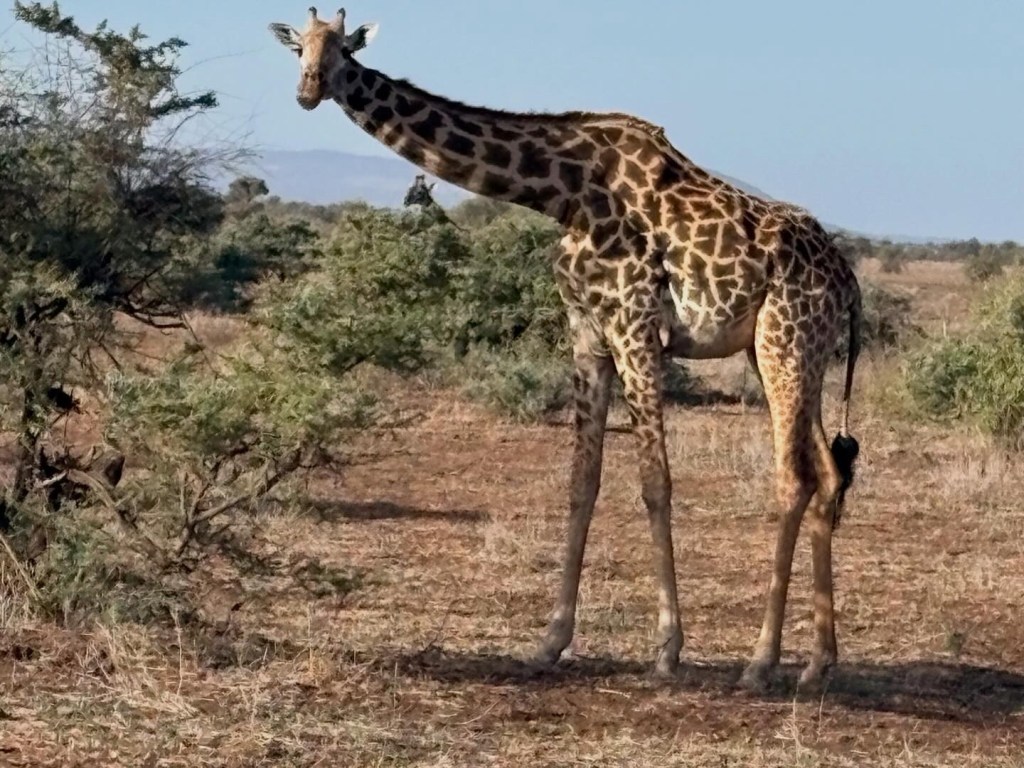
The safari set for 5 am, with a hazy sunrise that had shades of purple was an experience of quietness and An Army of elephants walking together, zebras on either side and hyenas chasing, deer flocking together. We enjoyed the safari so much, we headed again for an afternoon one, trying to spot Giraffes and lions/leopards.
The afternoon safari… we were lucky to have spotted a couple of giraffes but none of the lions or leopard.
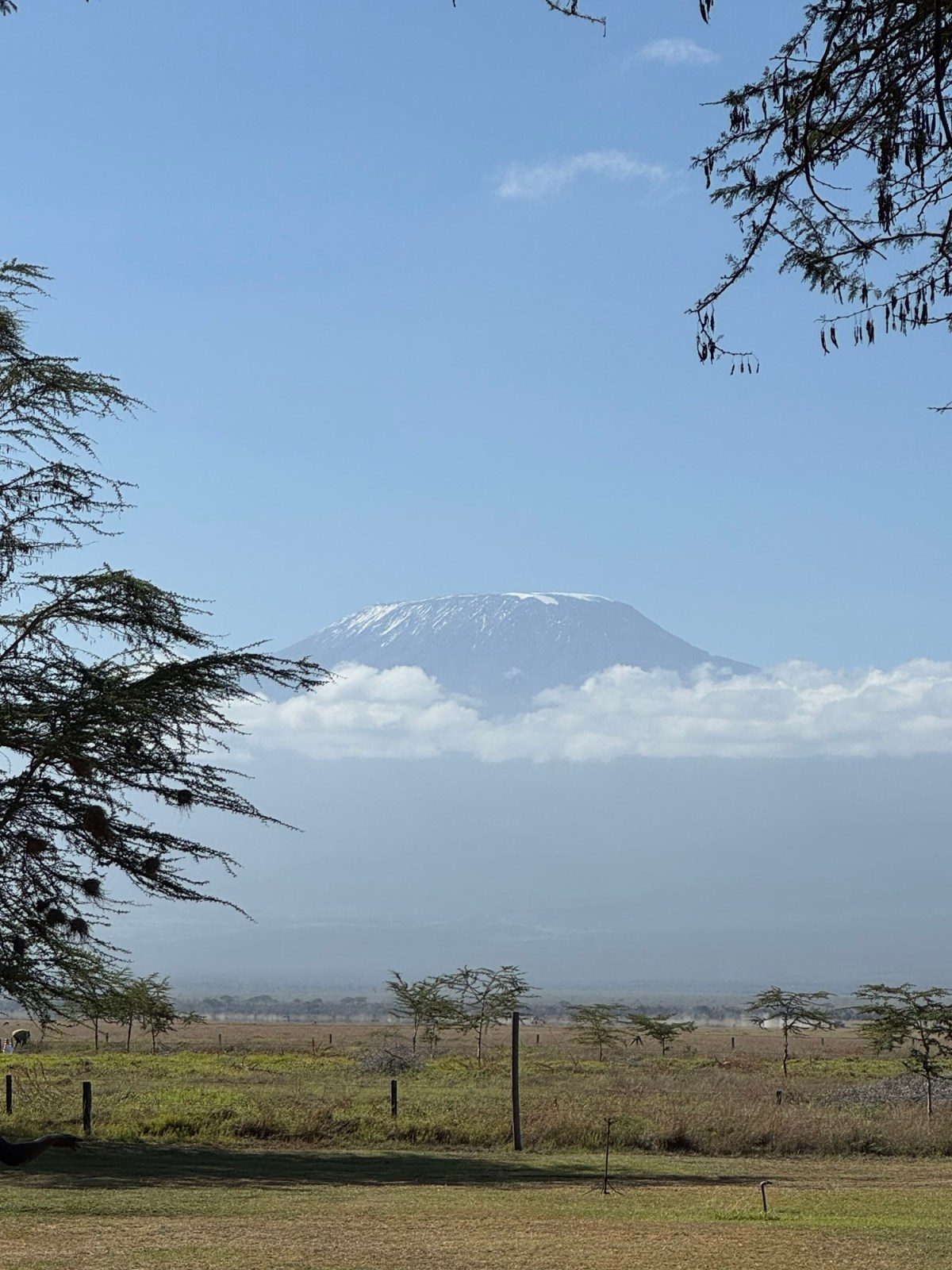
The different sounds, the calmness of animals and the early morning of Kilimanjaro mountain before it would play its hide & seek game was one of the highlights of the Kenyan wedding experience.
The wedding decor with backdrops of the mountains and simplicity of colours and florals made the whole decoration look beautiful without any OTT emphasis on filling up the space.
The grazing table during the cocktail dinner had space utilised well!
The Dholki’s during the afternoon mehendi was a vibe that stepped up the whole wedding mood for the coming functions.
While we were still soaking in Kenya, we had to leave for another destination…
A few facts on the coffee from Kenya:

Kenyan coffee undergoes a unique doublefermentation process, which sets it apart. After the beans are fermented and washed, they are soaked in fresh water for up to 24 hours and then fermented again to enhance the development of intricate flavours. This process amplifies the coffee’s acidity and brings out bright, fruity notes characteristic of Kenyan coffee

The eight coffee grades are:

AA: Large beans (20 mm) with the highest quality.
AB: A mix of A and B grades (6.80 mm).
PB (Peaberry): Rare round beans, highly prized.
E (Elephant): The largest beans.
C: Smaller beans.
T: Smallest, thinnest, often faulty.
TT: Light beans, typically from “elephants.”
MH/ML: Unwashed beans (Mbuni) with lower prices and a sour taste.

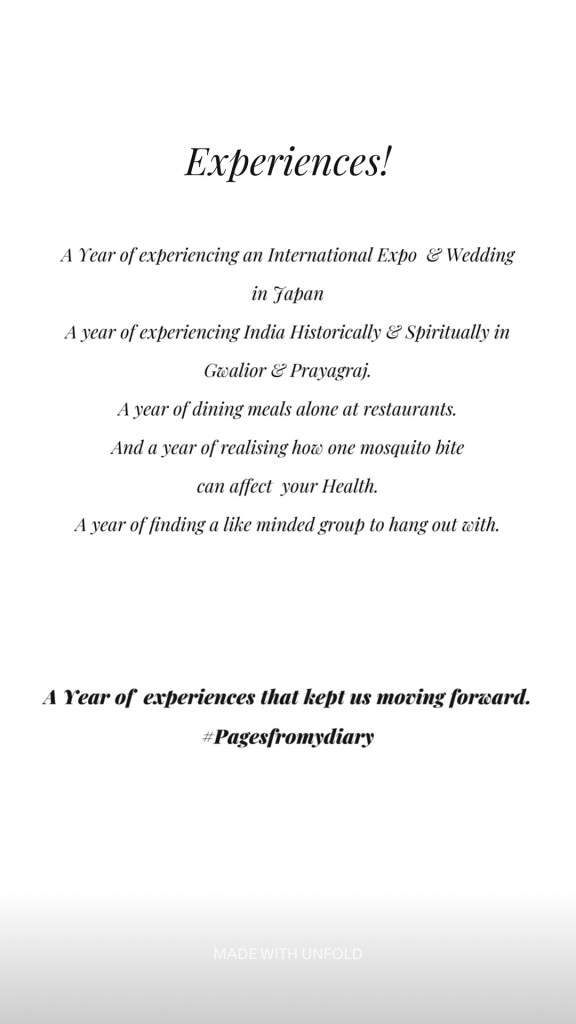
2025 in Experiences & Journey’s

Eating to Extinction – Book

A book on food, that has a few pieces of history and a lot more about how certain foods through globalization, and better economic and weather conditions have made the plants and food thrive in countries that otherwise we had no idea were so resourceful. But the question remains – How much food changes in taste and Quality and how with hybridization, food has been growing across the World? 

Some of the insightful details from the book.

Did you know? 

Certain food items like barley are used to the fullest of the 100% – 

 2% of barely is eaten by humans. 

60% of barely is used as Animal

Feed. 

While 38% is used for brewing and Distilling beer. 

0.50% barely is used for Soy Sauce and Miso.

So many things are made of just one food item.

The world’s largest collection of banana diversity is in Belgium

There are about 8 varieties of citrus fruit and lemon, oranges, Grapefruit and lime have been produced through hybridization 

Lemons is actually A hybridization of citron and Sour Oranges. 

Oranges come from a hybridisation of Mandarin and Pomelo 

Lime is hybridization a Citron and Mandarin cross 

Grapefruit Is a Hybrid between a Sweet Orange and a Pomelo. 

It’s interesting to know how the fruit changes and how through hybridization we have produced so much in the world. 

These are some of the details, but there is a lot more in the book. 

This has been one of the best food books. 

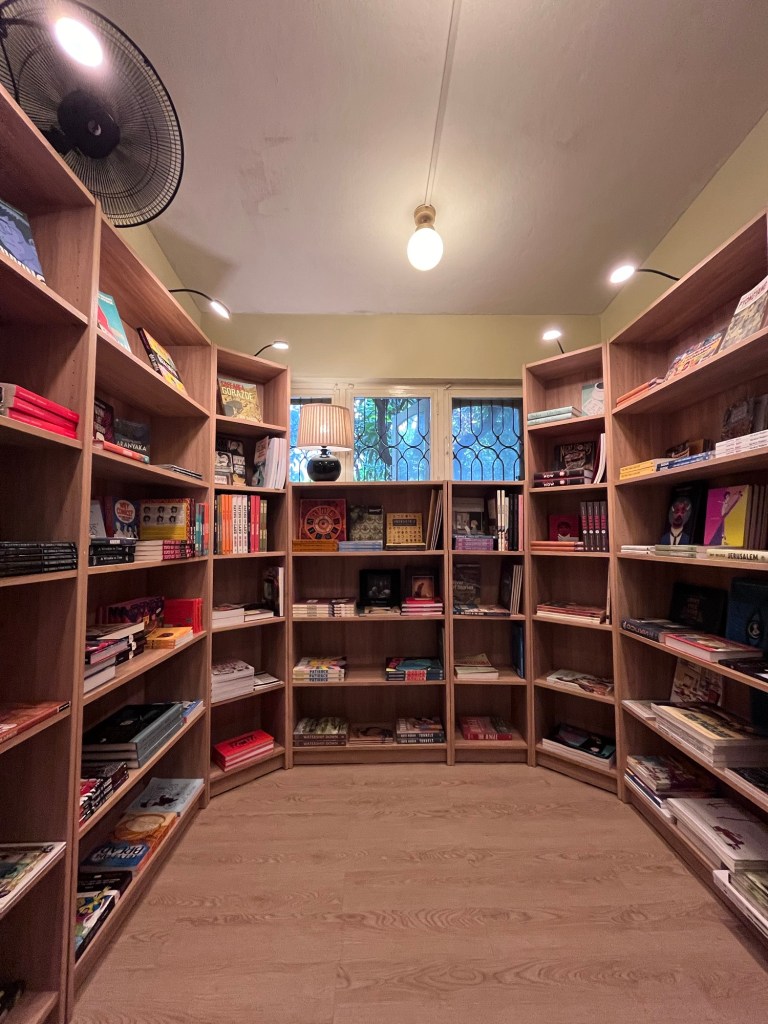
Do Books have a shelf life? 

Not exactly from the time they have been published until they hit the stores and are ready to witness the books flying off the shelf. 

But, from the time they are published until the time, the reader figures this is a book he/she would like to read at a certain time of their life if not now. 

Does the book hold the same relevance to the reader it had when it was released in the market? 

Some bestsellers no matter when you read them. They still are relevant, They fall in the bracket of classics, classics that become the reference points for other authors and readers to compare that work with the current ones written in a similar style. 

But, years later when you recommend them to someone would the book have the same impression and effect on the reader too? 

Or would the reader wonder what was special about the book or would have outgrown the subject if they had already experienced something similar in real life or in another, a book that wasn’t necessarily a bestseller but a book worth reading or investing your time in it? 

And with social media, content flows all across a range of channels, what happens to books that become the source of content, Does the reader still enjoy reading the book as a whole? 

Or do social media opinions play on the minds of the reader to read classics/Bestsellers? 

Indian Reader


Does India Read? Do Indians Read? 
And if they do what do they read? 
Well, India is slowly getting into the habit of reading books! And a lot of them have been enjoying reading books. But, this India that I am talking about is not the one that is into literature books. But, a new emerging audience of readers is discovering reading books is not for the joy of it. But, to improve my English speaking skills, Vocabulary and diction. These readers are the ones who make up the large population that we have. But again are we growing in numbers? Who enjoy reading Mythology, Romance, and Young Adult books. The authors who have successfully managed to capture their audience are the likes of Chetan Bhagat, Preeti Shenoy, Durjoy Datta, Ravinder Singh, Anuja Chauhan, and Robin Sharma to name a few…Others like Amrish Tripathi and Devdutt Patnaik are Gaining popularity amongst new readers who are interested in reading books. 
But, what are the avid literary Indian readers reading today? 
They are the ones who like reading Amitav Ghosh, Sudha Murthy, Chitra Banerjee, Arvind Adiga, and Arundhati Roy, which are some of the books which the other Indian audiences are reading. 
But, the positive side of the reader reading in India is they have started reading books of Indian authors from India.